The coast through the year
Dry, bright summers and long wet winters frame the year here, with green springs and autumns full of salmon in between. Each season changes how you travel and what you see.
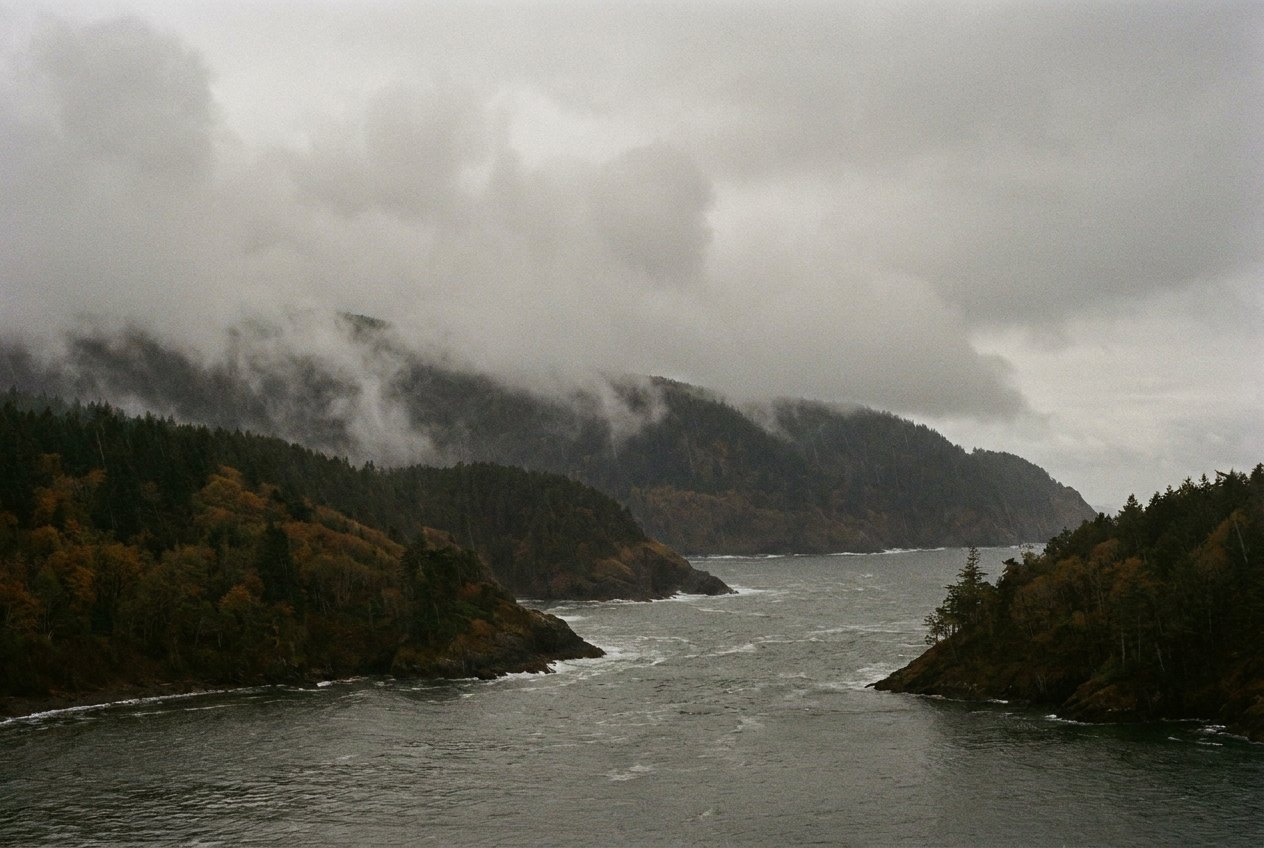
The Sunshine Coast takes its name from a reputation for brighter weather than the city across Howe Sound, and in summer it often lives up to it. But this is still the wet west coast of Canada, and the year swings between dry, bright summers and long, rainy winters. Knowing what each season brings helps you choose when to come, what to pack and what to do once you are here.
Summer: dry and busy
July and August are usually the warmest and driest months. Days are long, with light lingering late into the evening, and weeks can pass without significant rain. The sea surface warms in sheltered bays, lakes are pleasant for swimming, and the trails are dry.
This is also the busiest time. Ferries fill, especially on weekends and holidays, and campgrounds and popular trailheads get crowded. Plan ahead, travel early in the day and allow extra time for ferry waits; schedules and reservation options change.
Dry summers bring fire risk. Campfire bans are common, and wildfire smoke from elsewhere in the province sometimes drifts over the coast. Follow restrictions carefully and be careful with anything that can spark.
- Bring a sun hat and sunscreen; the reflection off the water is strong.
- Paddle in the calm early morning before the afternoon breeze builds.
- Carry plenty of water on trails, as some streams dry up.
Autumn: salmon and quiet
September often brings some of the best weather of the year: warm days, cool nights and far fewer visitors. The rains usually return in October, and by November the coast is fully into its wet season.
Autumn is salmon season. From late summer through the autumn, salmon return to the creeks and rivers to spawn, and bears, eagles, seals and gulls gather to feed on them. Watch from bridges and banks without disturbing the fish, and be especially alert for bears near streams. The story on orcas, seals and bears covers how to watch safely.
The forests are at their richest in autumn, with mushrooms pushing through the moss and leaves turning on the maples and alders. Trails start to get muddy, and the first storms of the season can bring down branches.
Across the waterMount Elphinstone and the forest trailsWinter: rain and storms
From November to February, the coast is wet. Rain falls on most days, often for days at a time, and low cloud hides the mountains. At sea level, snow is uncommon and rarely lasts, but the higher slopes of Mount Elphinstone and the mountains behind the inlets usually carry snow through the winter.
Winter storms usually blow in from the southeast across the Strait of Georgia, bringing strong winds, big waves on exposed shores and occasional power outages. Inland, cold outflow winds can roar down the inlets. Boating and paddling in winter call for real experience, good equipment and close attention to the forecast. See tides, winds and boat sense before you go out on the water.
Winter has its own rewards. The trails and beaches are nearly empty, the forest is green and dripping, and storm watching from a sheltered headland can be dramatic. Many waterbirds spend the winter on the sheltered water of the coast, so it is a good time for birdwatching. Services keep shorter hours.
Spring: green and growing
Spring arrives gradually from March to May. Days lengthen, the rain becomes more showery, and the forest floor fills with new growth. Wildflowers appear on the rocky bluffs, and the skunk cabbage blooms in wet hollows.
Bears come out of their dens hungry in spring, so carry food carefully and make noise on trails. Waterfalls are at their fullest during the snowmelt of late spring and early summer, which makes it a good time to visit Princess Louisa Inlet if you have the means to get there.
Daylight changes a great deal through the year at this latitude. Around midsummer the sky stays light for about sixteen hours, while in midwinter you get only about eight, much of it under cloud. Plan hikes and paddles around the light, and carry a headlamp from October to March even on short outings.
Late spring and early summer bring calmer seas and longer days without the summer crowds, which makes May and June good months for paddling, hiking and exploring the inlets.
Choosing your season
There is no wrong time to visit, only different trips.
- For warm water and long days: July and August, with planning for crowds.
- For quiet and good weather: late May, June and September.
- For salmon and wildlife: late September through November.
- For solitude and storms: December to February, with good rain gear.
Holiday weekends in any season bring heavier ferry traffic, so if your dates are flexible, travel midweek.
Whatever you choose, bring a rain jacket. Even in the driest summers, a passing shower or a cool evening breeze off the water is never far away.
Packing for the coast
Layers work best in every season. A waterproof jacket, a warm fleece or wool layer, and shoes that can handle mud and wet rock will cover most situations. Add a sun hat and swimwear in summer, and warmer layers and waterproof boots in winter. For days on the water, dress for the water temperature, not the air, and wear a lifejacket. For the road itself, driving Highway 101 covers fuel, ferries and timing.
Further up the coast
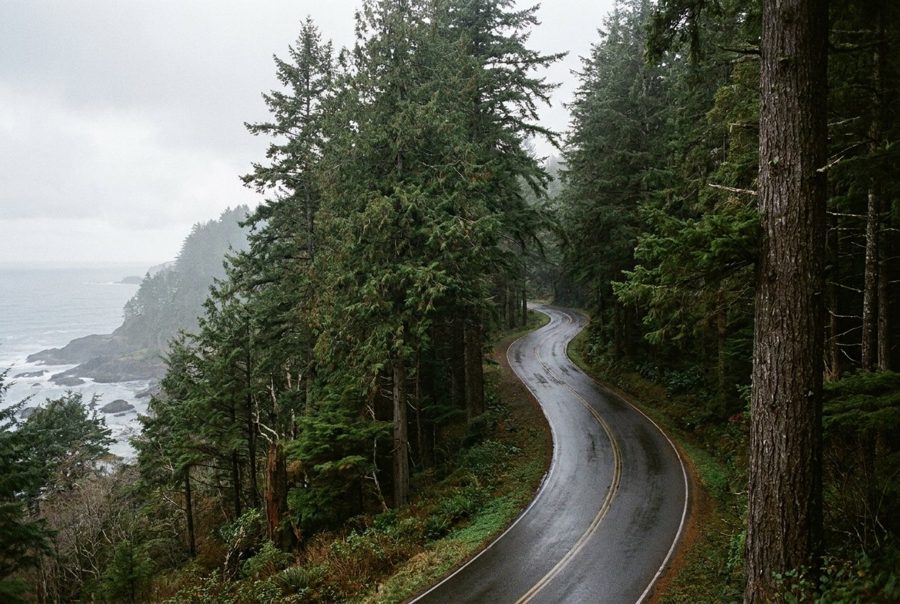 Driving Highway 101, one road and two ferries
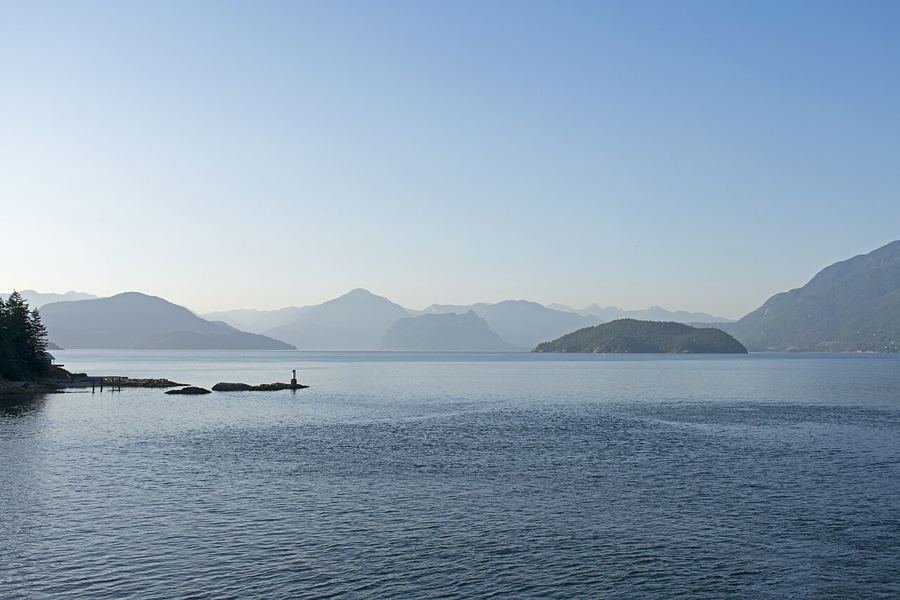 Crossing Howe Sound to the Sunshine Coast
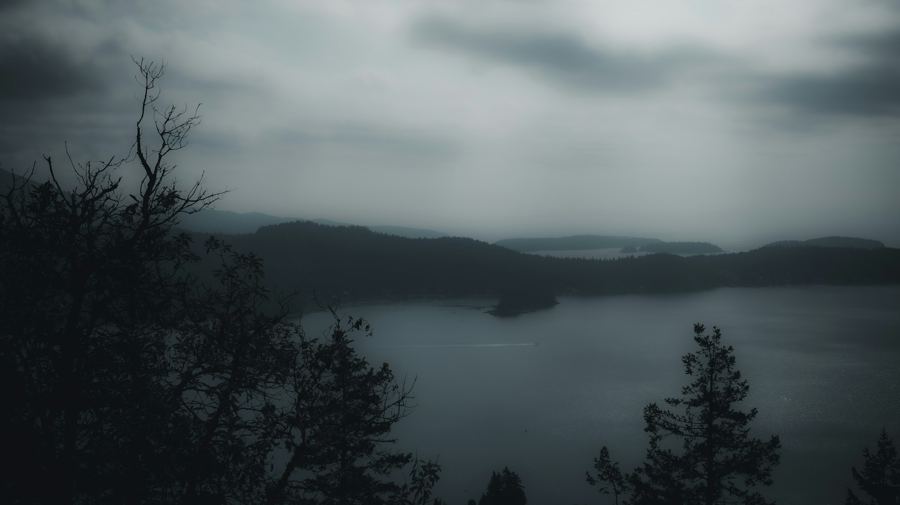 Gibsons Landing, the harbour at the start of the coast
Camera work: Ymblanter / CC-BY-SA-4.0; Anastase Maragos / Unsplash
